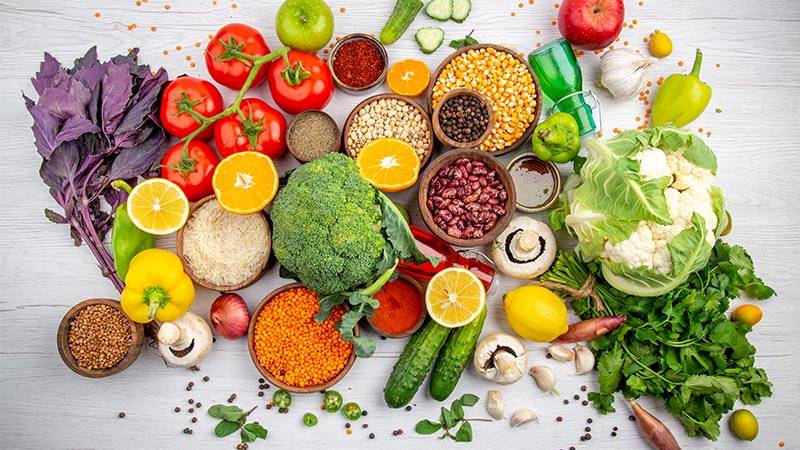
5 Reasons Plant-Based Eating Is Transforming Our Plates
Plant-based eating is rapidly gaining popularity as more individuals seek healthier lifestyles and sustainable food choices. One compelling reason for this transformation is the multitude of health benefits associated with a diet rich in fruits, vegetables, whole grains, and legumes. Studies have shown that adopting a plant-based diet can reduce the risk of chronic diseases such as heart disease, diabetes, and certain types of cancer. Moreover, plant-based eating is often lower in calories and saturated fats, promoting weight management and overall wellness.
Another reason for the rise of plant-based eating is its positive impact on the environment. The production of plant foods typically requires fewer resources and generates less greenhouse gas emissions compared to animal-based products. As people become more environmentally conscious, they are increasingly choosing plant-based meals to reduce their carbon footprint. This shift not only transforms individual plates but also contributes to a larger movement towards sustainability in our food systems.
How to Transition to a Plant-Based Diet: Tips for Beginners
Transitioning to a plant-based diet can be an exciting journey towards better health and environmental sustainability. To start, it’s essential to educate yourself about the nutritional aspects of a plant-based lifestyle. A great tip for beginners is to gradually increase your intake of fruits, vegetables, legumes, whole grains, nuts, and seeds. You might consider implementing a one-meat-free day each week, which allows your palate to adjust and opens the door to new culinary experiences. As you feel more comfortable, increase the frequency of these days until a full transition feels natural.
Furthermore, meal planning is a crucial aspect that can aid your transition. Begin by exploring simple recipes that highlight plant-based ingredients. Batch cooking meals at the start of the week can save you time and help maintain your commitment. Additionally, joining a community or online group focused on a plant-based diet can provide motivation and inspiration. Remember, it's perfectly normal to face challenges along the way; stay patient and enjoy the journey toward a healthier lifestyle.
Is Plant-Based Eating Right for You? FAQs Answered
Many people are considering plant-based eating as a viable option for their health and well-being. But is it right for you? To make an informed decision, it's essential to understand the key components and benefits of this diet. Plant-based eating focuses on incorporating a wide variety of foods such as fruits, vegetables, whole grains, legumes, nuts, and seeds while minimizing or eliminating animal products. Here are a few questions to ponder when determining if this lifestyle aligns with your personal health goals:
- What are your health objectives? If you're aiming to lose weight, improve heart health, or reduce the risk of certain diseases, a plant-based diet could be beneficial.
- Are you willing to adapt your cooking habits? Transitioning to a plant-based lifestyle often involves learning new recipes and cooking techniques.
- Do you have any nutritional concerns? Ensure that your diet is balanced to avoid deficiencies in essential nutrients such as protein, iron, and vitamin B12.
By addressing these questions, you can better evaluate whether plant-based eating is a suitable choice for your lifestyle.